

A State Isn’t an Audience
Why Geotargeting Alone Misses the Mark in Policy Fights

Washington may dominate the headlines, but some of the policy decisions with the greatest impact on American businesses are happening hundreds of miles from Capitol Hill.
Consider this: In 2025 alone, state legislatures introduced more than 4,200 pieces of energy-related legislation, according to the National Conference of State Legislatures. And that’s just one industry.
For organizations navigating an increasingly complex policy landscape, the message is clear: State-level influence deserves a strategy of its own.
Same State. Different Stakes.
Here’s where campaigns can go wrong. An organization identifies its priority states, develops a national message, and launches a geotargeted advertising campaign.
Technically, it’s reaching the right places. But is it reaching the right people?
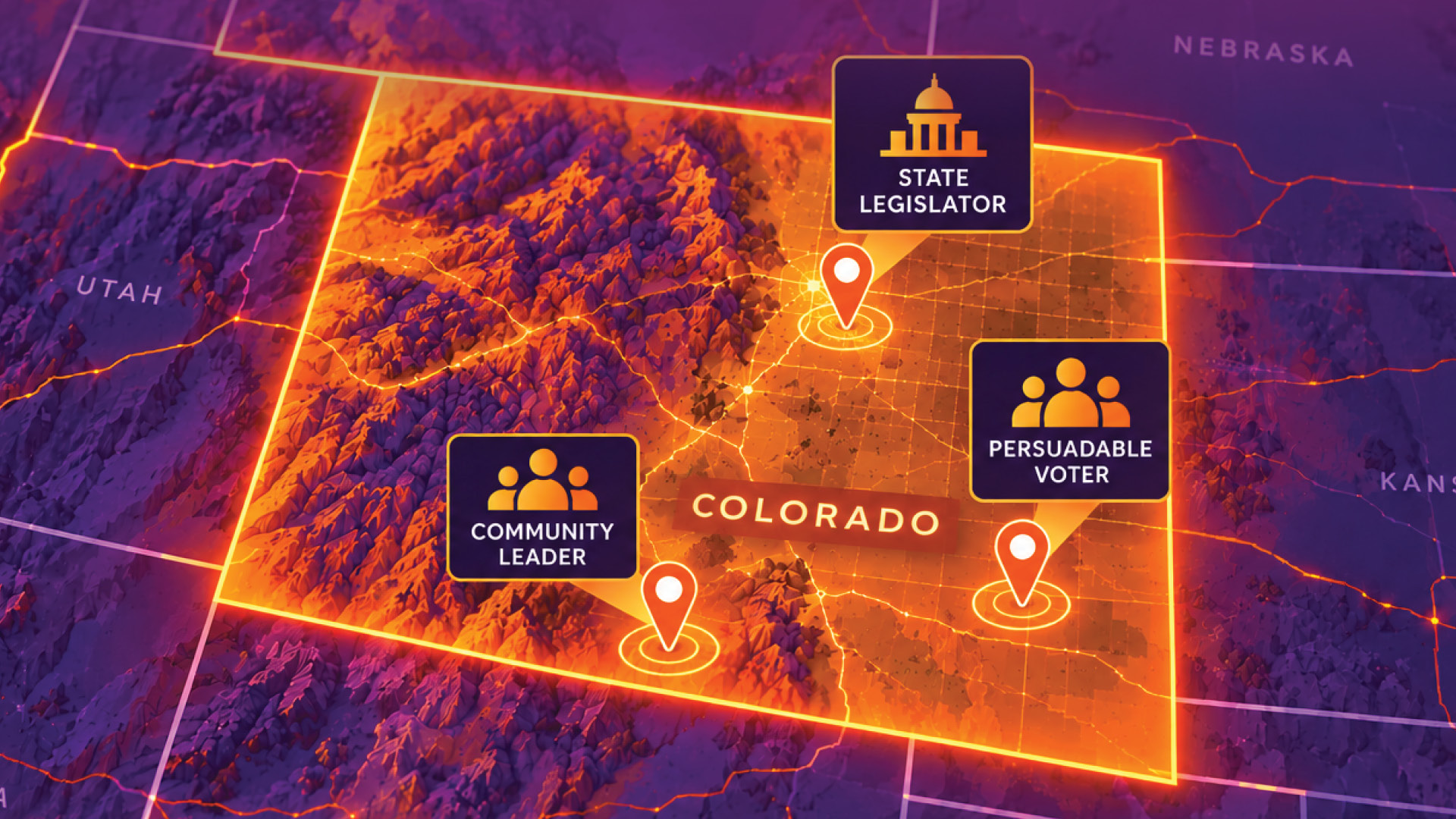
A state legislator, a local business owner, a chamber of commerce executive, and a suburban voter may all live within the same geographic boundaries, but they don’t necessarily share the same priorities, concerns, or media habits.
And a message that resonates in Colorado may fall flat in Ohio, for example.
The challenge isn’t simply reaching a state. It’s identifying the audiences who can influence the conversation—and understanding what matters to them.
Precision Beats Presence
Digital advertising has made it easier than ever to reach audiences based on geography, interests, behaviors, and other available signals. But the real advantage isn’t just more sophisticated targeting. It’s the ability to build smarter campaigns around different audiences.
That might mean emphasizing economic contributions to business leaders, workforce opportunities to local communities, or industry-specific policy implications to decision-makers. For example, an energy campaign might focus on jobs and local investment in one state, while emphasizing affordability and energy reliability in another.
It also means recognizing that the most effective media mix won’t necessarily look the same in every market. Connected TV, digital video, social media, and local news placements can each play a role, depending on the audience and the objective.
The goal isn’t to blanket a state with impressions. It’s to make the right impressions count.
Three Things to Get Right
- Think beyond geography. A state boundary is a starting point, not an audience strategy. Identify the policymakers, stakeholders, and influential communities that matter most to the issue.
- Make the message local. Connect national policy objectives to the economic realities, concerns, and opportunities that resonate within each state. One-size-fits-all messaging rarely delivers the same impact everywhere.
- Spend for influence, not just reach. Prioritize precision targeting, relevant creative, and media channels that can reach the right audiences. A million impressions mean little if they miss the people shaping the debate.
The bottom line: Winning a state-level policy debate isn’t about being everywhere. It’s about showing up where it matters, with a message that resonates and a strategy built for the audience you’re trying to influence.

 By Chuck Sundin

 By Gabrielle Massoud