
The 4 Biggest Changes I've Noticed on YouTube Over the Past Year
Insights into How YouTube Is Evolving for Creators and Communicators

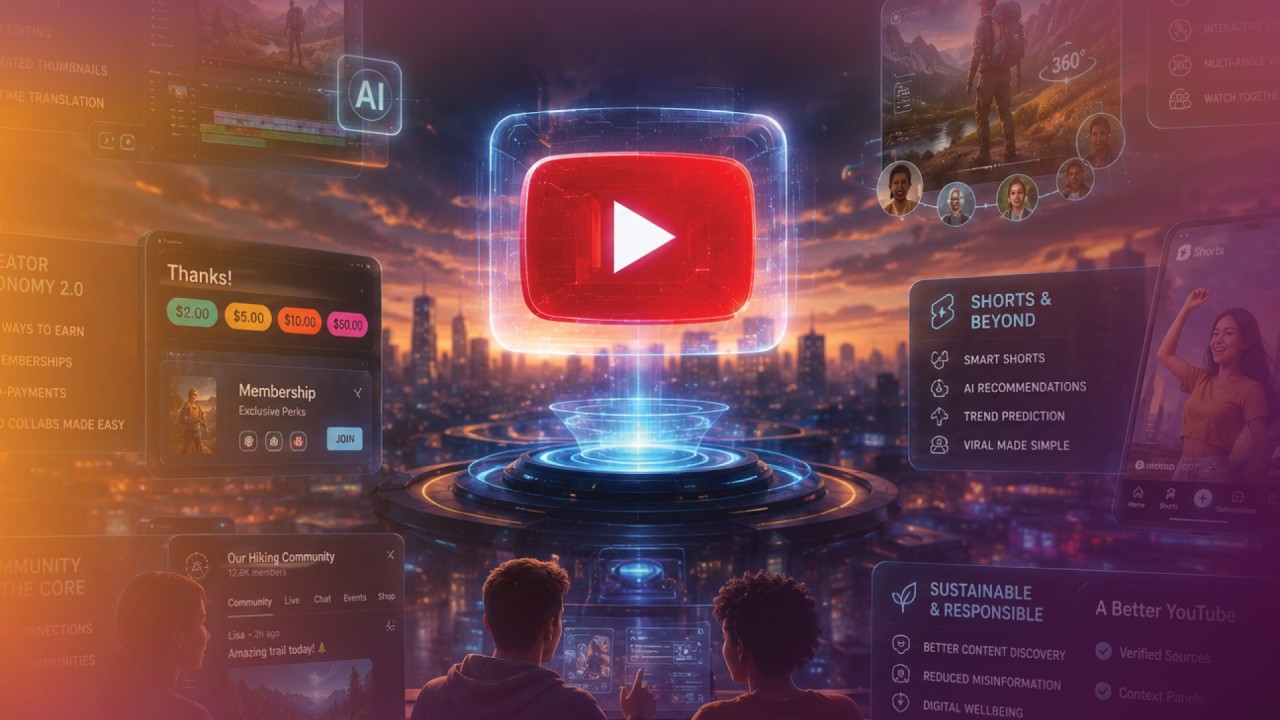
Video remains one of the most powerful storytelling mediums available to communicators, and YouTube is its undisputed hub. As a YouTube content creator, I've noticed some significant changes in how YouTube works over the past year. The platform is evolving quickly, and creators who adapt are far more likely to grow. Here are the four biggest shifts I've observed.
1. Packaging Matters More Than Ever
With more than 3 million videos uploaded to YouTube every day, standing out has never been more difficult. Great content alone isn't enough—your packaging determines whether people click in the first place.
To improve your video's packaging:
- Create bold, simple, and eye-catching thumbnails.
- Write titles that spark curiosity without being misleading.
- Hook viewers within the first 30 seconds to encourage them to keep watching.
Takeaway: Even outstanding content with weak packaging may never reach its audience.
2. Viewer Satisfaction Is the New Priority
YouTube has continued shifting its recommendation system away from subscriber counts and simple click metrics. Instead, it increasingly favors videos that keep viewers engaged and satisfied.
Some of the key signals include:
- Average view duration
- Percentage of the video watched
- Likes, comments, and shares
- Whether viewers continue watching another video after yours
Takeaway: YouTube increasingly rewards channels that build engaged, loyal, and returning audiences—not just one-off viral hits.
3. AI Is Becoming Part of Every Creator's Workflow
Artificial intelligence has rapidly become an essential tool for many creators. It's helping streamline production without replacing creativity.
Creators are using AI to:
- Brainstorm video ideas
- Draft scripts
- Design and refine thumbnails
- Speed up video editing and other repetitive tasks
Takeaway: The biggest winners are using AI to produce higher-quality content more consistently—not to flood YouTube with low-quality AI-generated "slop."
4. YouTube Is Pivoting Toward Television
Over the past year, YouTube has aggressively positioned itself as a competitor to traditional television and streaming services like Netflix. The platform is investing heavily in living-room viewing, episodic programming, and premium long-form content.
As a result, YouTube increasingly favors:
- High-quality production
- Long-form videos (typically 10–30+ minutes)
- Episodic, series-based content
- Story-driven programming that keeps viewers coming back
Takeaway: Long-form videos generally generate more watch time, stronger viewer loyalty, and greater opportunities to build a lasting audience.
Final Thoughts
While YouTube's algorithm continues to evolve, one thing remains constant: creators who consistently deliver valuable content through engaging storytelling that viewers genuinely enjoy will have the greatest long-term success. Strong packaging, high viewer satisfaction, thoughtful use of AI, and investing in compelling long-form content are becoming the keys to sustainable growth on the platform.
Chuck Sundin is the Creative Director at Story Strategies Group and the creator of FishLoft, a YouTube channel dedicated to educating and inspiring aquarium enthusiasts.
 By Samantha Pepi
 By Robert Philips