

The Human Element: What AI Can't Replace in Communications
Why Strategy, Judgment, and Authenticity Still Matter

Gabrielle Massoud is a Director at Story Strategies Group, a public affairs firm launched in July specializing in issue and advocacy communications. As AI rapidly reshapes media consumption, Gabrielle shares how she leverages emerging technology without sacrificing the human touch—ensuring clients remain authentic, personable, and trustworthy.
How do you integrate AI into your workflow, and how do you balance accuracy and authenticity when creating content like social media posts?
I see AI as a valuable thought partner, not a substitute for judgment. It can help accelerate early-stage work: organizing ideas, exploring angles, pressure-testing headlines, adapting a message for different platforms, or getting past a blank page. That gives communicators more time to focus on the work that matters most: strategy, nuance, audience insight, and strong storytelling.
But leveraging AI cannot come at the expense of accuracy or trust. Every AI-assisted draft needs human review, fact-checking, and context. AI doesn't inherently understand a client's history, stakeholder relationships, sensitivities, or the real-world consequences of a poorly framed message. That responsibility stays with the communicator.
For social media especially, authenticity is essential. I use AI to support the process, but the final post should still sound like a person with a clear point of view—not a generic template. The goal isn't simply to publish more content. It's to produce communications that are useful, credible, and worth paying attention to.
Generative AI runs the risk of making digital communications sound uniform and bland. How do you leverage AI for scale while ensuring a client's distinct voice and messaging doesn't get lost?
AI can create scale, but it cannot create a distinctive voice on its own. This has to come from knowing the client and their target audiences: how they speak, what they believe, which audiences they need to reach, what language they embrace or avoid, and where they have the credibility to lead.
Before using AI, I build a clear messaging foundation: core narrative, approved proof points, audience priorities, voice attributes, and examples of what "on brand" sounds like. Those inputs make AI more useful, but they're only the starting point.
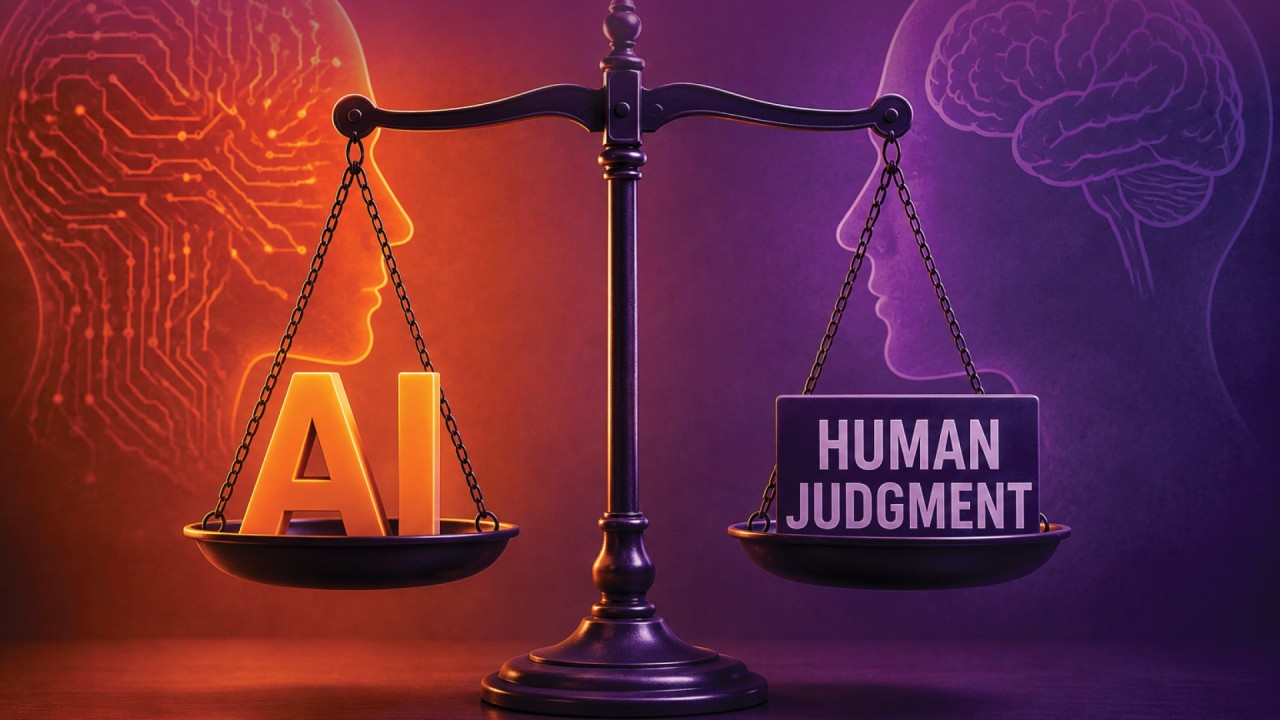
I recently heard the phrase "human first, human last" when referring to AI, and I think it goes hand in hand with all the "AI slop" that's out there today. AI is a great tool to use, but it cannot replace human touch.
After years at established PR firms, what made you make the leap to a startup, and how does AI fit into that vision?
At a startup, you get to build the playbook rather than just execute it. You have the autonomy to move fast, test ideas, and directly shape client outcomes alongside a focused team.
While AI changes the tools we use, the core of great communications remains unchanged: strong strategy, compelling storytelling, and audience empathy. What shifts is our agility—AI lets us experiment faster, work across disciplines, and turn creative ideas into real results. I'm excited by the energy of working with a team that's building something intentional and innovative together.
Gabrielle Massoud is a Director at Story Strategies Group.

 By Samantha Pepi
 By Robert Philips
 By Chuck Sundin